



Yosemite Essentials: What You Need to Know Before You Visit
Entering the Park
NO RESERVATIONS REQUIRED FOR ACCESSING YOSEMITE
Visitors will not need a reservation to drive into Yosemite in 2026. This change provides more flexibility for travelers, while the park continues to actively manage traffic and support safe, enjoyable experiences for all.
Important Tips to Make the Most of Your Visit:
- Visit on weekdays when crowds are lighter, and parking is easier.
- Arrive early, especially on weekends and holidays.
- Save time at the gate! Purchase your digital entrance pass online before arriving at any entrance station. Buying online is quick, seamless, and can significantly speed up your entry into the park. Pro-tip: Visitors with a digital entrance pass may sometimes be eligible for priority lanes.
- Explore beyond Yosemite Valley. In this map resource, you will discover that Yosemite is huge, with incredible landscapes and experiences throughout.
- Stop by the Oakhurst Visitor Center for the latest updates, maps, and insider tips.
- Sign up for real-time parking and traffic updates by texting "YNPTRAFFIC" to 333-111. These alerts provide timely parking information as conditions change throughout the day.
- Wait times at park entrances have been significantly reduced this year due to technological improvements. Now you can check real-time wait times before you leave your accommodation.
With reservation requirements removed this year, it's more important than ever to check current conditions before and during your visit. When parking in the busiest areas of Yosemite Valley fills up, vehicles may be redirected to other parts of the park, which can affect travel time and plans.
Yosemite Entrance Fees
WHAT IT COSTS TO ENTER Every visitor pays a standard entrance fee, valid for seven consecutive days:
- Private vehicle: $35 (covers all occupants)
- Motorcycle: $20
- Individual (on foot, bike, or horseback): $15
Annual pass holders enter at no additional charge. The America the Beautiful Annual Pass ($80) covers entry to Yosemite and hundreds of other federal recreation sites for a full year: A smart option if you're a repeat visitor.
Remember: Yosemite entrance stations do not accept cash. Purchase your pass online in advance at recreation.gov to save time at the gate. Digital pass holders may be eligible for priority lanes!
International Visitor Fee Update (Effective January 1, 2026) The U.S. Department of the Interior has introduced a $100 per-person fee for international (non-U.S. resident) visitors ages 16+ entering select U.S. national parks, including Yosemite. This is charged in addition to the standard entrance fee above.
The non-resident America the Beautiful Pass ($250) is a good alternative for international visitors: it covers the pass holder plus up to three adults on a commercial tour, or all occupants in a private vehicle, and it's valid at any U.S. national park for a full year. Purchase passes and fees in advance at recreation.gov.
International visitors and tour operators should refer directly to the National Park Service website for the most current official guidance.
Yosemite Is Open Year-Round — But Not Every Road Is
Yosemite National Park rarely closes. The Valley, the South Entrance (Highway 41, closest to Oakhurst), and Wawona typically stay open and accessible year-round. However, some roads close seasonally:
Tioga Road (Highway 120 East) is a seasonal, high-elevation route connecting Yosemite Valley to Tuolumne Meadows and the park's East Entrance near Lee Vining. It typically:
- Closes by early November (median closing date is around November 3)
- Reopens in late May or early June, depending on snowpack
- While Tioga Road is closed, if you're headed toward the Eastern Sierra, you'll need to plan a different route.
Glacier Point Road follows a similar seasonal pattern and is also closed in winter.
If you're visiting between November and May, enter Yosemite via Highway 41 or Highway 140; these are the most reliable year-round routes.
- Check current road conditions before you go, since exact opening/closing dates shift year to year depending on the weather.
- In addition to the traffic alerts, insiders can sign up for park-wide emergency updates by texting "YOSEMITE" to 333-111. This can be especially helpful in the wintertime.
Getting Around Once You're Inside
Yosemite Valley is small, and during holidays and peak summer weekends, parking is limited and fills quickly, especially at trailheads and major viewpoints. Here's how to navigate the park:
YARTS (Yosemite Area Regional Transit System)
YARTS connects gateway towns to the park by bus, letting visitors skip parking altogether. Operating in the southern gateway towns of Oakhurst and Fish Camp along Highway 41, YARTS runs from mid-May through mid-September. Outside that window, a personal vehicle is the only way in from the south.
Free Yosemite Valley Shuttle
Once you're in the Valley, the free shuttle is the easiest way to reach major sights without moving your car. It loops continuously past trailheads, lodging, dining, and visitor services throughout the Valley. View and download the Yosemite Valley Shuttle Map before you arrive to plan your stops in advance.
Parking in the Valley
Valley parking areas fill early, particularly at Curry Village, Yosemite Village, and popular trailheads like Mist Trail and Lower Yosemite Fall. Once a lot is full, rangers may redirect vehicles elsewhere in the park. The most reliable strategy: park once, then use the free shuttle for the rest of your day.
Biking
Yosemite Valley has over 12 miles of paved, mostly flat bike paths. Bike rentals are available seasonally at Yosemite Valley Lodge and Half Dome Village and are one of the best ways to cover more ground without a car. Bikes are not permitted on hiking trails or in the backcountry.
EV Charging
Electric vehicle charging stations are available at select locations in Yosemite. Note that availability is limited and can't be counted on for a full charge during a day visit. Visitors relying on an EV should plan charging stops in gateway towns like Oakhurst before entering the park.
Park Lodging & Camping
In-Park Lodging vs. Gateway Communities
Yosemite offers a range of in-park lodging, from rustic tent cabins to full-service hotels, but rooms are limited and fill up in advance — especially during summer and holiday weekends.
Many visitors instead choose to stay in gateway communities like Oakhurst and Fish Camp along Highway 41, just outside the South Entrance. Staying in the gateway offers more availability, often better rates, and easy access into the park.
Camping Reservations on Recreation.gov
Yosemite's most popular campgrounds — including Upper Pines, Lower Pines, North Pines, Wawona, and Hodgdon Meadow — release reservations five months in advance, on the 15th of each month at 7:00 AM Pacific time. For example, reservations for a June 15 arrival open on January 15.
A few tips to improve your odds:
- Create and log into your Recreation.gov account before the release time — you can't add anything to your cart otherwise.
- Popular sites can sell out within minutes, so be ready to book the instant the window opens.
- Some campgrounds — Bridalveil Creek, Crane Flat, Tamarack Flat, White Wolf, Yosemite Creek, and Porcupine Flat — use a shorter, rolling two-week booking window instead of the five-month window.
- Camp 4, a historic walk-up favorite for climbers, releases reservations just one week in advance (seasonally, April through October).
- Cancellations happen daily — check back regularly; last-minute spots may open, even after a campground appears sold out.
Off-Season Camping
From roughly November through March, several campgrounds switch to first-come, first-served rather than requiring reservations. These sites can still fill on weekends and holidays, so arriving early in the day is your best bet.

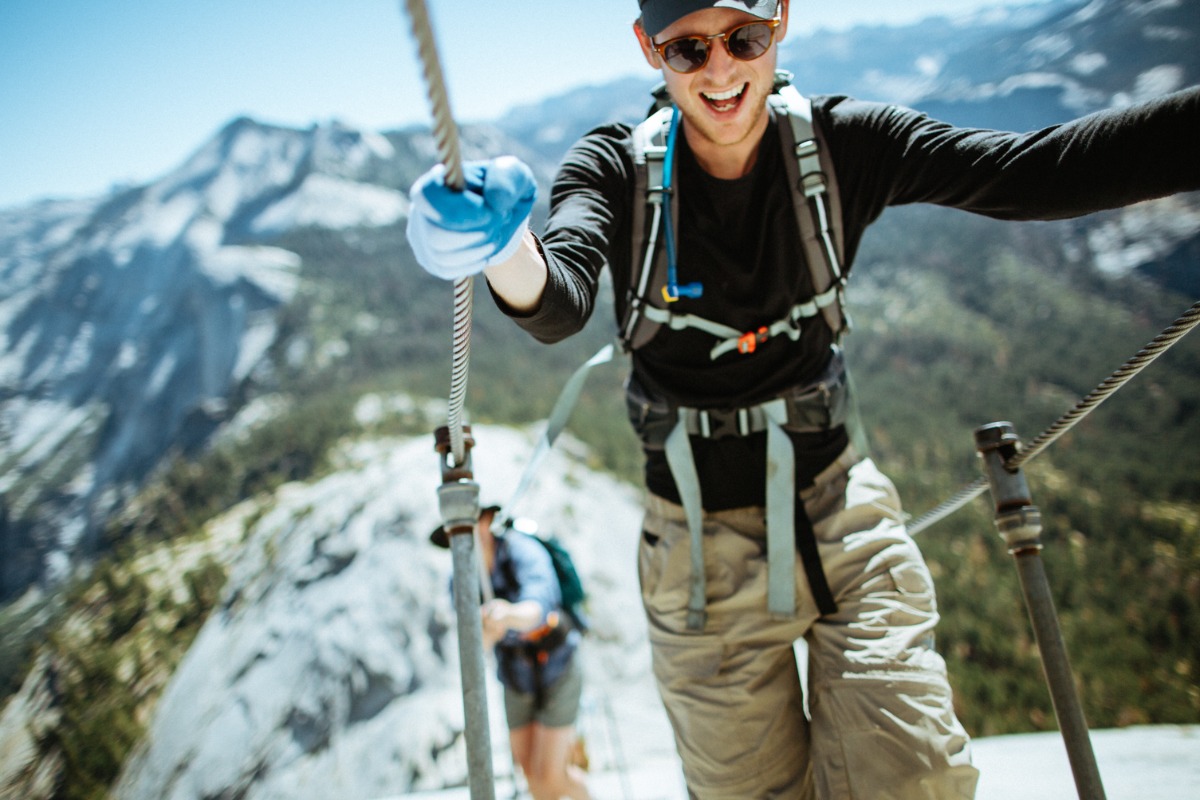
- Half Dome Cables Permit: Required to climb the cables when they're up (typically late May–mid October); apply through the preseason lottery in March or the daily lottery two days before your hike.
- Wilderness Permit: Required for any overnight backpacking trip into Yosemite's backcountry, with trailhead quotas that fill fast in peak season.
Good to Know
Pets
Pets are allowed in Yosemite Valley on paved trails, campgrounds, and roads. This includes fully paved roads, sidewalks, and bicycle paths. Specific paved trails where pets are permitted include Bridalveil Fall trail, Lower Yosemite Fall trail, the paved trail through Cook's Meadow (including boardwalks), the paved road to Mirror Lake, and the Wawona Loop Trail. Pets are not allowed in walk-in and group campsites, on most hiking trails, in wilderness areas, or on shuttle buses. Become a BARK Ranger!
Free WiFi
Free WiFi is available at the South Entrance, courtesy of Visit Yosemite | Madera County. Load maps and shuttle schedules, or send a final check-in before heading farther into the park.
Cell Service
Cell reception is unreliable over mountain passes and in much of the park's backcountry. Inside Yosemite Valley, most major carriers get service, but don't count on a strong signal.
Elevation & Altitude
Yosemite Valley sits around 4,000 feet, but many trails and viewpoints climb well above 7,000–8,000 feet. Take it slow, especially on your first day, and give yourself time to acclimate before attempting strenuous hikes.
Winding Roads
The mountain roads can bring on motion sickness for some travelers. A few things that help: Over-the-counter options, salty snacks, small, frequent sips of water, and keeping your eyes on the horizon rather than a phone or book (if you're a passenger).
Weather & What to Pack
Yosemite's weather can shift fast, especially at higher elevations — mornings may start cold even in summer, and afternoon thunderstorms are common in July and August. Layers are your friend! A light jacket year-round, sun protection (hat, sunscreen, sunglasses), and sturdy shoes. Winter visitors should prepare for snow and freezing temperatures. Weather by Month in Detail
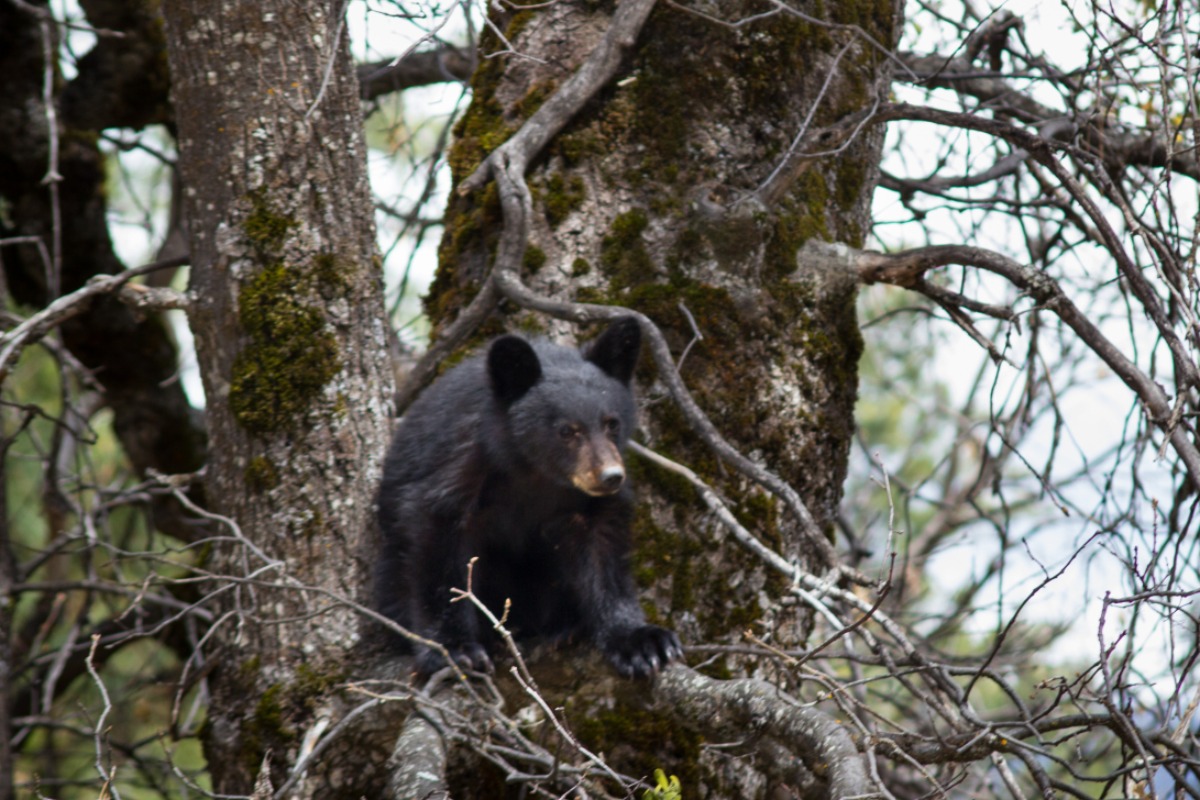
- All food, scented items (toiletries, sunscreen, trash), and coolers must go in a bear-proof locker or canister whenever unattended, whether you're car camping, backpacking, or parked at a trailhead
- Keep wildlife—WILD. Animals that learn to associate cars and campsites with food often have to be relocated or euthanized, so storing food correctly protects them




Have more questions? You can contact us at the Visitor Center.
Call us at (559) 683-4636 or email info@yosemitethisyear.com.